


Updated on: 2026-07-13
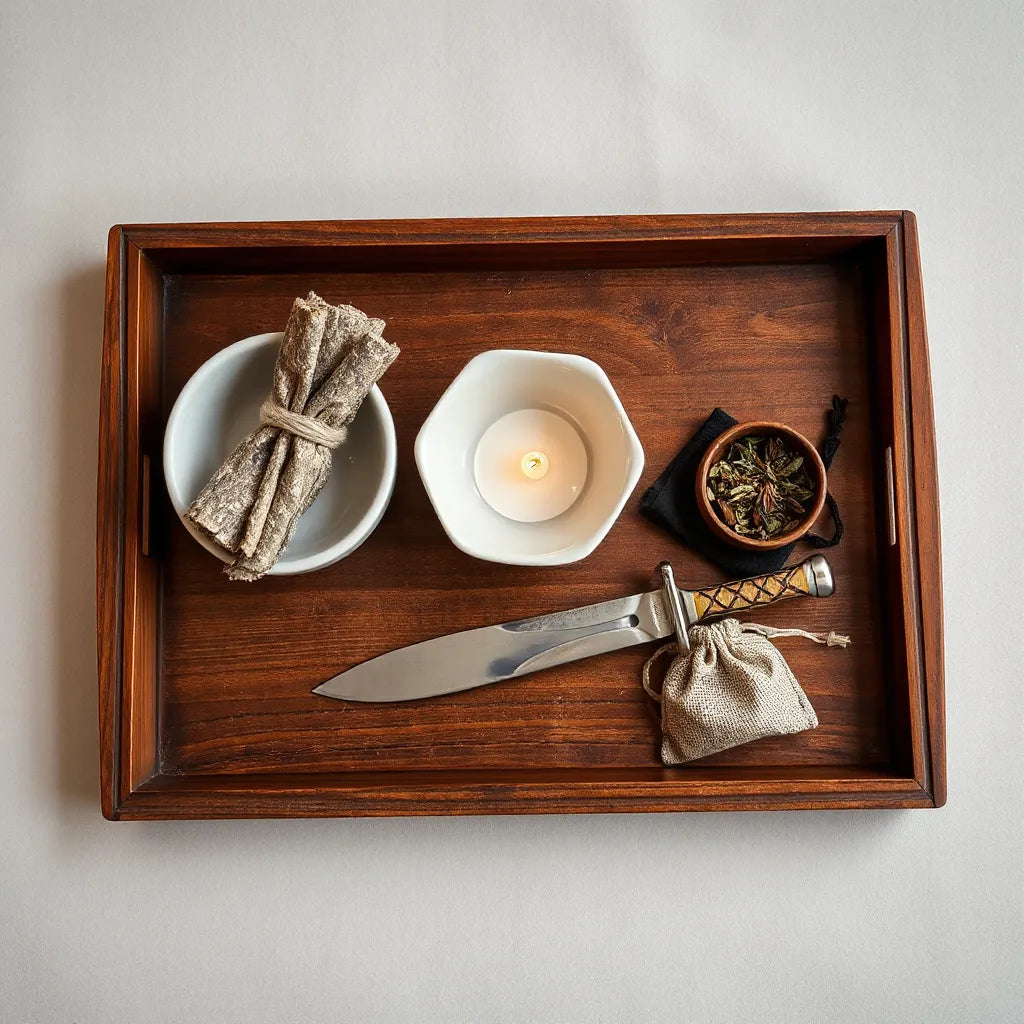
Magical ritual tools can help you create structure, focus, and intention in your personal practice. When chosen thoughtfully, they support consistent habits and a calmer mindset. They also make your rituals feel more intentional and easier to repeat. This guide explains what to look for, how to organize your tools, and how to use them safely with clear boundaries.
- Ritual Tool Foundations
- What Magical Ritual Tools Mean in Practice
- Common Mistakes
- Buyer’s Checklist for Magical Ritual Tools
- How to Use Your Tools Consistently
- Visual Guidance
- Care, Storage, and Personal Boundaries
- Visual Guidance
- FAQ
- Wrap-Up & Final Thoughts
Ritual Tool Foundations
Rituals do not have to be complicated to be effective. At their best, they provide a repeatable container for attention. That container is often built with magical ritual tools, which can function as visual cues, tactile anchors, and prompts for reflective thinking. Even if your practice is personal and private, tools can help you transition from daily life into a calmer, more focused state.
Think of tools as nonverbal communication to yourself. A specific object, scent, sound, or written prompt can signal, “It is time to slow down and intentionally choose what happens next.” Over time, the ritual becomes familiar. Familiarity reduces mental friction, which makes it easier to stay consistent.
What Magical Ritual Tools Mean in Practice
People use the term “magical” in different ways. In most modern personal practices, the emphasis is on intention, symbolism, and mindfulness rather than on external results. Tools are used to clarify meaning and to structure your attention so you can follow through on your values.
For example, some people include ritual writing to set goals and review progress. Others use a dedicated cloth, journal, or container to mark a boundary between ordinary tasks and intentional work. Many also include objects that represent themes such as protection, renewal, self-respect, or clarity.
To choose well, it helps to separate the physical item from its role. Ask what the object will do inside your routine: remind you, guide your senses, support reflection, or help you keep a steady pace. That functional clarity usually leads to better buying decisions than chasing novelty.
Common Mistakes
Many buyers approach ritual tools like they are decorative purchases. That approach often leads to clutter, inconsistency, and frustration. Consider these frequent errors:
- Buying without a defined purpose: If you cannot describe how an item supports your routine, it will likely stay unused.
- Overloading your setup: A large collection can make preparation feel like a project instead of a calm ritual.
- Chasing aesthetics over function: Beauty matters, but your tool should be practical for how you intend to use it.
- Ignoring material comfort: Texture, weight, and scent sensitivity affect whether you will want to handle the tool regularly.
- Skipping boundaries: Tools should align with your comfort and values, including how you feel about symbolism in everyday settings.
- Expecting instant outcomes: A ritual is a skill-building practice. Consistency often matters more than intensity.
Buyer’s Checklist for Magical Ritual Tools
A strong purchase starts with intention and ends with usability. Use this checklist to evaluate items before you commit. The goal is to build a small, coherent system that fits your lifestyle.
- Define the role: Will the tool support focus, reflection, grounding, protection symbolism, or intention-setting?
- Confirm your ritual frequency: Choose items you can realistically use weekly, not only on special occasions.
- Select sensory alignment: Prefer scents, textures, and sounds that feel neutral or soothing to you. Avoid anything that triggers discomfort.
- Check materials for longevity: Durable fabrics, inks that remain legible, and sturdy designs reduce replacement cycles.
- Prioritize clean handling: If a tool is touched often, consider easy-care materials and hygienic storage.
- Look for coherence: Your tools should share a theme or purpose so your routine feels unified.
- Choose portability if needed: If you travel or keep your practice private, a compact setup may be more sustainable.
- Read instructions carefully: Some items are meant for writing, others for display or gentle handling. Match the item to the method.
- Set a budget with limits: Allocate funds for a small starter kit rather than multiple redundant items.
- Plan for personal boundaries: Decide in advance what you will and will not do with your tools.
When you are ready to build a routine around intention and journaling, a dedicated writing space can be especially useful. For a practical example of ritual structure, consider a journal designed for reflective prompts: Journal for intention.

Guiding icons: journal, ribbon marker, focus circle
How to Use Your Tools Consistently
Consistency is not about rigid performance. It is about returning to your practice with minimal effort. The best routines are simple enough to repeat and flexible enough to adapt to your schedule.
Use a three-step approach that supports both beginners and experienced practitioners:
- Prepare the space: Clear a small surface. Choose the same spot when possible. Light a candle only if you use it safely and responsibly, or use a non-flame alternative if you prefer.
- Set the intention: Use a short statement in plain language. Examples include “I choose calm,” “I commit to clarity,” or “I return to self-trust.” Keep the wording consistent to build association over time.
- Engage with the tool: Hold, write, fold, or display the item in a way that matches your purpose. One tool used fully is usually more effective than many tools used briefly.
To reduce decision fatigue, create a repeatable sequence. For instance, you can begin with writing, then move to a tactile or symbolic action such as holding a dedicated accessory, folding a cloth, or placing a marker in your journal. The routine becomes automatic, and your attention can go directly to meaning.
Many practitioners also use wearable or daily-contact items as gentle reminders. If you want a subtle cue that integrates into your day, explore clothing that reflects your values, such as vibration reminder apparel. The value here is not the garment itself; it is the consistent message you carry into routine moments.
Care, Storage, and Personal Boundaries
Proper care supports both longevity and peace of mind. It also keeps your practice grounded in personal comfort. Even symbolic tools benefit from practical handling rules.
Care and cleaning
Follow manufacturer guidance for cleaning and storage. If an item is made of fabric, check whether it should be washed or simply aired out. For paper goods such as journals or cards, store them away from humidity and direct sunlight to preserve readability. For any item that is handled frequently, keep hands clean and dry to maintain comfort and hygiene.
Storage that protects meaning
Consider a storage method that reduces visual noise. A single pouch, labeled container, or dedicated drawer slot can help. When your tools have a consistent location, you are more likely to use them. Storage also protects items from accidental damage and helps you maintain a mental boundary between your practice tools and everyday clutter.
Boundaries and responsible use
Set personal boundaries about where and when you use your ritual tools. Many people prefer to keep their practice private. Others create a small “ritual zone” that signals respect for the process. Regardless of your preferences, establish rules that keep you comfortable and consistent. A ritual should support your well-being and reflect your values, not create stress, fear, or conflict.

Organized storage: pouch silhouette, labels, calm surface
FAQ
What are magical ritual tools used for?
Magical ritual tools are commonly used as symbolic and practical supports for intention, focus, and structured reflection. They help you transition into a mindful state and reinforce a repeatable routine. In many traditions and modern personal practices, the emphasis is on personal meaning and consistency rather than on guarantees of external outcomes.
How many magical ritual tools do I need as a beginner?
Most beginners benefit from a small starter set. Start with one tool that anchors your main action, such as a journal for intention writing or a single item that functions as a tactile cue. Once you can repeat a simple routine consistently, you can add one additional tool at a time.
How do I choose tools that match my lifestyle?
Select items that you can use without extra complexity. Consider comfort, storage space, and sensory alignment. If you have limited time, choose tools that reduce preparation. If you value privacy, opt for items that are easy to keep contained. The best choice is the one that supports your routine in real life.
Can I use ritual tools with a daily routine?
Yes. Many people integrate small rituals into everyday moments, such as morning intention setting, a brief reflection during a pause, or a short journaling session. The key is to keep the routine short and repeatable. A consistent micro-practice often produces steadier results than occasional, elaborate sessions.
Wrap-Up & Final Thoughts
Magical ritual tools are most valuable when they serve a clear purpose in your practice. Instead of buying based on trends or appearance, focus on functionality: how the tool guides attention, supports reflection, and helps you repeat a simple routine. With thoughtful selection, mindful use, and practical care, your setup can become a stable support system for intention and self-trust.
If you want a grounded starting point, begin with a single reflective practice and one supportive tool. Then expand slowly as your needs become clear. You can also explore related items that match your personal themes, such as intention journals and value-based apparel, to strengthen consistency without overwhelming your routine.
Disclaimer
This article is for educational and informational purposes. It does not provide medical, psychological, or legal advice. Ritual practices are personal, and results vary by individual and context. If you experience distress or have specific concerns, consider consulting a qualified professional.
Q&A Section
Below are additional answers to common planning questions people ask when selecting ritual tools.
How do I create a simple routine with ritual tools?
Create a routine with three consistent steps: prepare the space, set a short intention, and engage with one tool. Keep the sequence stable for at least a few weeks so your attention learns the pattern. After that, you can refine wording or timing based on what feels supportive.
Should I cleanse or reset my ritual tools?
Many people choose cleaning and resetting routines for personal comfort and symbolism. Use practical methods that match the materials, and follow any care guidance from the maker. If you add a symbolic cleansing step, treat it as a personal reset that helps you refocus, rather than as a guarantee of specific outcomes.
What if I lose interest in a tool?
Loss of interest is information. It can indicate that the tool no longer fits your goals, that your routine changed, or that your priorities shifted. Consider retiring the item respectfully, storing it away, or replacing it with something that better supports your current practice. A sustainable ritual system evolves with you.
About the Author
Vansa (Meraki Daydream) shares practical guidance on intention-focused rituals, mindful routines, and lifestyle-based spirituality. With experience in curating consumer-friendly spiritual products and writing clear, structured content, Vansa helps readers choose tools that match their habits and values. Thank you for reading, and may your practice feel steady, thoughtful, and empowering.
The content in this blog post is intended for general information purposes only. It should not be considered as professional, medical, or legal advice. For specific guidance related to your situation, please consult a qualified professional. The store does not assume responsibility for any decisions made based on this information.

 https://merakidaydream.com

Teilen und 15 % Rabatt sichern!
Teilen Sie dieses Produkt einfach in einem der folgenden sozialen Netzwerke und Sie erhalten 15 % Rabatt!